
The Future of Robotics Engineering Jobs: Opportunities, Challenges, and Innovations
Introduction
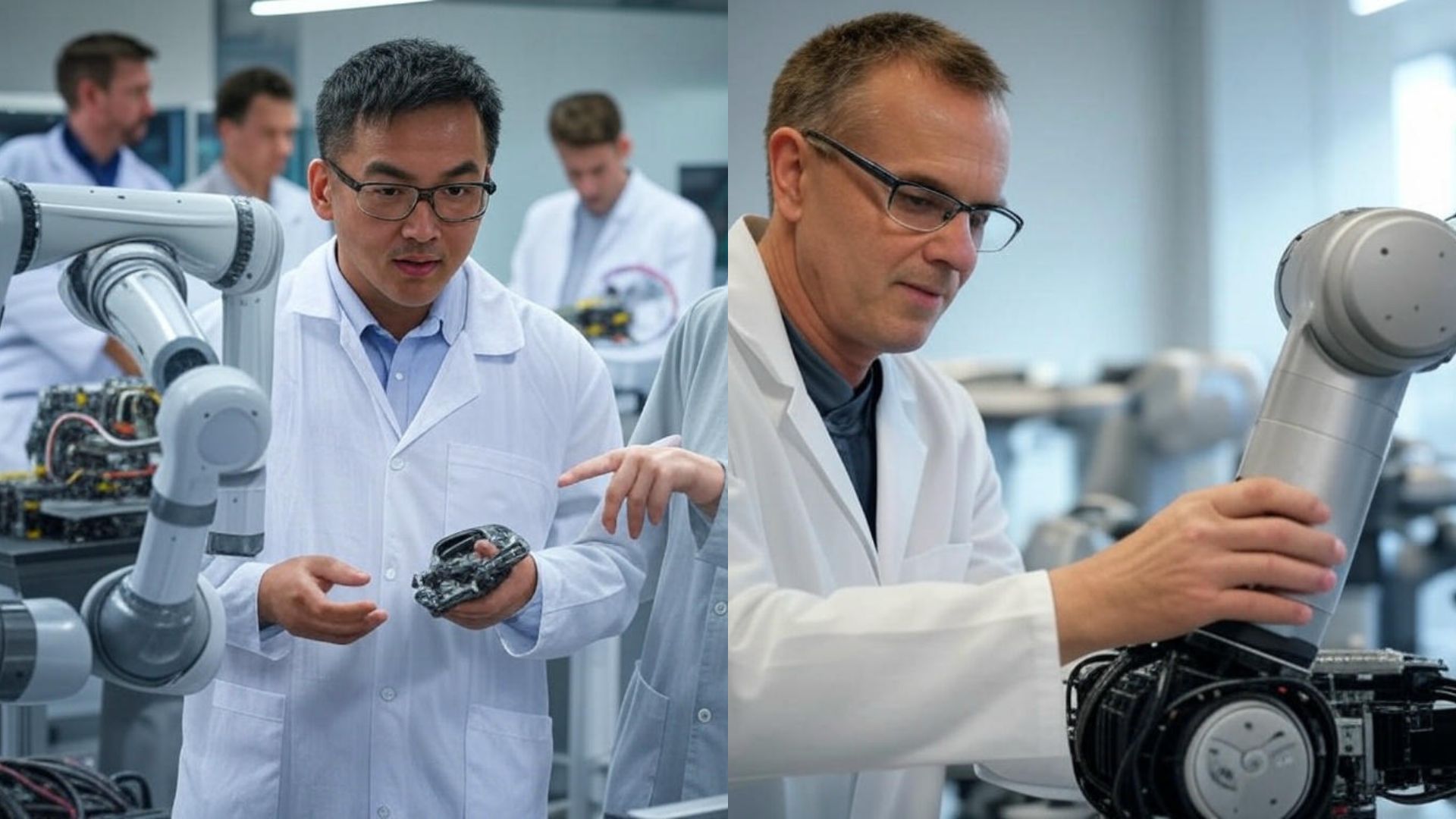
Robotics Engineering Jobs: The field of robotics engineering is rapidly evolving, blending mechanical engineering, artificial intelligence, computer science, and electrical engineering to create intelligent machines. As industries increasingly adopt automation, the demand for skilled robotics engineers is rising at an unprecedented pace.
This article explores current trends, career opportunities, essential skills, and future prospects in robotics engineering while guiding aspiring professionals toward success in this dynamic field.
Why Robotics Engineering Jobs Are in High Demand
Robotics engineers design, build, and maintain robots across many industries, including:
- Manufacturing & Logistics – Assembly lines, warehouse automation.
- Healthcare – Surgical robots and rehabilitation devices.
- Agriculture – Autonomous tractors and crop-monitoring drones.
- Defense & Space – Bomb-disposal robots and planetary rovers.
- Consumer Electronics – Home assistants and robotic appliances.
With the global robotics market expected to exceed $200 billion by 2030, robotics engineering jobs offer long-term stability and growth.
Top Robotics Engineering Jobs
- Robotics Software Engineer – Builds AI-based robot intelligence systems.
- Automation Engineer – Designs factory and warehouse robotics.
- Mechatronics Engineer – Integrates mechanical and electronic systems.
- AI & Machine Learning Engineer – Trains robots with deep learning.
- Robotics Research Scientist – Develops next-generation robotic technologies.
Salary Range: $80,000 – $150,000+ depending on specialization and experience.
Key Skills Needed for Robotics Engineers
- Programming (Python, C++, ROS)
- Machine Learning & Computer Vision
- CAD and 3D Modeling
- Control Systems and Sensors
- Creative Problem Solving
Challenges in Robotics Engineering
- High Development Costs – Advanced robots require heavy investment.
- Ethical and Safety Issues – Ensuring human-robot safety.
- Rapid Technological Change – Continuous learning is essential.
How to Start a Career in Robotics Engineering
- Earn a Degree in Robotics, Mechanical, or Electrical Engineering.
- Gain Practical Experience through internships and competitions.
- Build a Portfolio with robotics projects.
- Network Professionally through conferences and associations.
The Future of Robotics Jobs
With innovations in artificial intelligence, swarm robotics, and human-robot collaboration, robots will become more autonomous and deeply integrated into daily life. Engineers with interdisciplinary knowledge will lead the future of robotics innovation.
Conclusion
Robotics engineering is among the most exciting and high-potential career paths today. As automation continues to reshape industries, robotics engineers will remain at the center of technological progress. Whether you are a student or a professional, now is the perfect time to enter this transformative field.
Click Here to buy and read a book on Reinventing Jobs: A 4-Step Approach for Applying Automation to Work.
Other Related Articles:
Our Trending Article:
Solo Leveling Fitness Tracker by Solah
If you have any suggestions or queries, please feel free to share them in the comment box below.